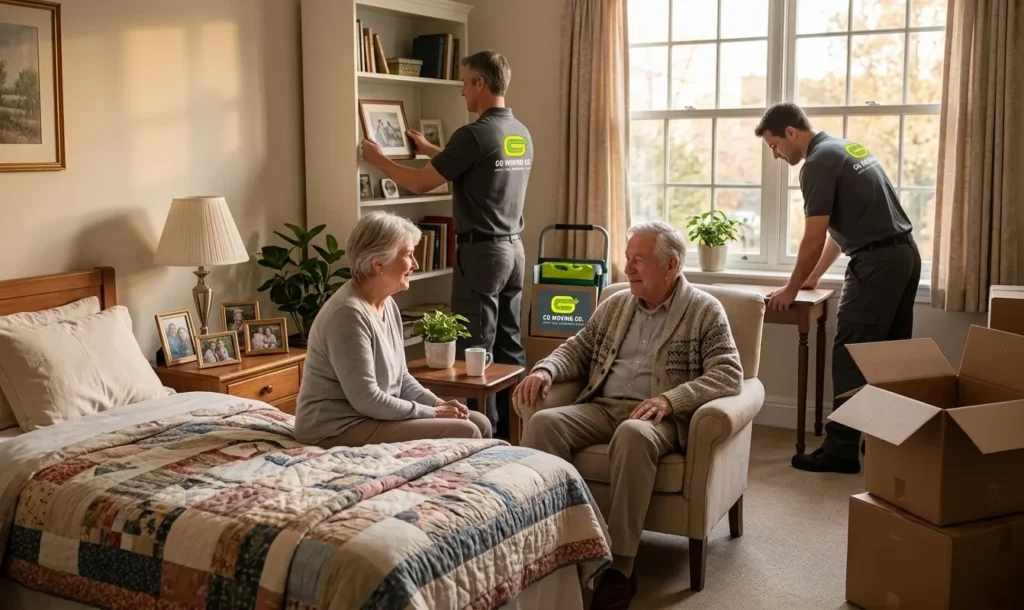
Most local moves in the Bay Area take between four and nine hours from load-in to the final box at the new address, depending on how much you own and how your buildings are set up. At CG Moving Company, we build every residential move schedule around your home’s size, parking, and whether stairs or elevators are involved. A one-bedroom apartment and a four-bedroom house are not the same job, even if both are “local.”
What Factors Change How Long a Move Takes?
Home size, stairs, parking, and packing status all affect your move time.
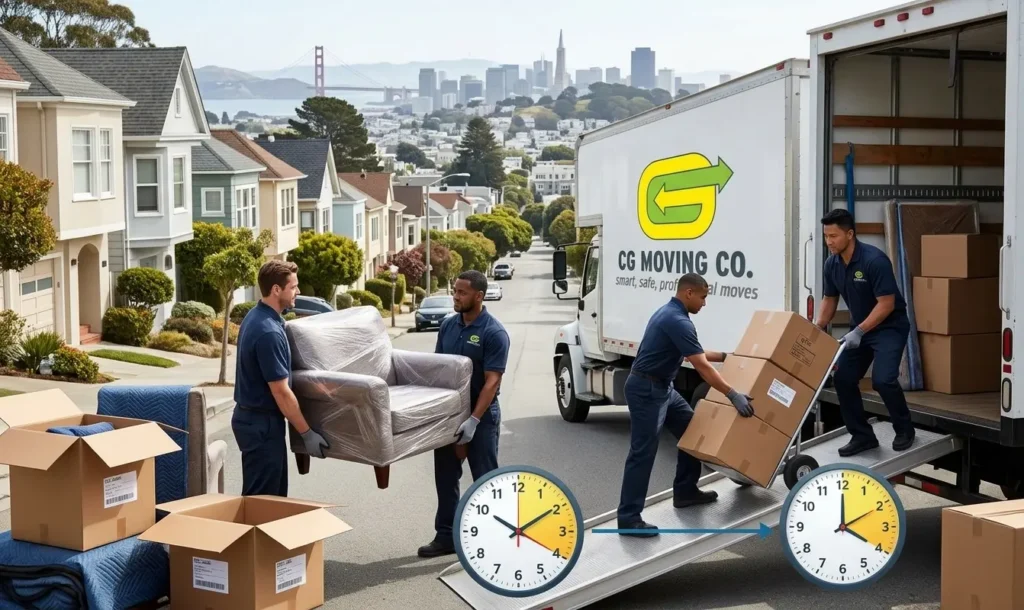
Several things shape a moving timeline more than the mile count between addresses. The number of rooms and how full they are is the biggest factor, since more furniture and boxes mean more trips to the truck. Parking also matters a lot in the Bay Area. If our truck has to park a block away or wait for a loading zone, that adds time to both ends of the move. Whether you’re fully packed before our crew arrives or still boxing up the kitchen makes a noticeable difference too. We walk through these details during your estimate so the time we quote reflects your actual home.
How Long Does a Studio or One-Bedroom Move Take?
Most studios and one-bedrooms wrap up in about three to five hours.
A studio or one-bedroom apartment with light furniture and already-packed boxes is usually one of our faster jobs. Two movers can typically load, drive, and unload in three to five hours for a nearby move, assuming parking is reasonable at both ends. Add a treadmill, a large sectional, or a wall of bookshelves, and that estimate stretches. First-time renters often ask about this timeline when comparing full-service crews to doing it themselves, and a trained two-person team moves a one-bedroom faster than most friend groups do.
How Long Does a Three- or Four-Bedroom House Move Take?
Larger homes typically take six to nine hours with a full crew.
A three- or four-bedroom house with a garage, a shed, and years of accumulated belongings is a bigger undertaking. Expect six to nine hours with a four- to six-person crew, longer if there’s a detached garage, a large patio set, or a home office full of filing cabinets. Houses also tend to have more oddly shaped items, like patio furniture and wall-mounted TVs, that take extra time to wrap and carry safely. We size the crew to the home during the walkthrough so you’re not stuck mid-afternoon with half a house still on the truck.
Do Stairs, Elevators, or Long Carries Add Time?
Yes. Stairs, slow elevators, and long carries can add real hours.
Yes, and this is one of the most underestimated factors in any moving estimate. A third-floor walk-up with no elevator can easily add one to two hours compared with a ground-floor unit, since every box and piece of furniture has to be carried up and down stairs instead of wheeled on a dolly. Buildings with a single slow elevator or a loading dock on the opposite side of the building add time in a similar way. If you’re moving into a building without an elevator, tell us the floor number and stair count when you book, so the crew and the clock are set up correctly from the start.
How Can You Help Your Crew Move Faster?
Pack ahead, clear pathways, and label boxes so loading goes quickly.
The fastest moves we run are the ones where the home is ready before the truck arrives. Here’s what actually saves time on moving day:
- Pack non-furniture items into boxes ahead of time, even if we’re packing other items for you
- Clear hallways, stairwells, and doorways of rugs, plants, and loose cords
- Label boxes by room so our crew can place them directly instead of asking
- Reserve parking or a loading zone near your entrance if your building requires it
- Have a plan for pets and kids so they stay clear
None of this requires extra help. The team at CG Moving Company walks every new client through a short prep checklist so the hours we quote hold up in practice, not just on paper.
Factor | Studio / One-Bedroom | Three- to Four-Bedroom House |
|---|---|---|
Typical crew size | Two movers | Four to six movers |
Typical time | Three to five hours | Six to nine hours |
Common complications | Street parking, narrow stairwells | Garages, sheds, oversized furniture |
The honest timeline for a Bay Area move comes down to how much you own, how your home is laid out, and how ready everything is before the truck arrives. If you want a time estimate built around your actual address and floor plan, reach out for a quote and we’ll walk you through what to expect on moving day.
Frequently Asked Questions
What time of day do most local Bay Area moves start?
Most local moves start in the morning, typically between 8am and 9am, since this gives the crew a full day and avoids traffic and parking restrictions that tighten later in the day. Buildings with specific loading dock hours sometimes shift this window, which we confirm during your estimate.
Does a move that includes a stop at a storage unit take longer than a straight move?
Yes, adding a storage stop adds real time for the extra loading and unloading, on top of the drive between locations. Tell your coordinator about any planned stop in advance so the crew size and schedule account for it.
What happens if my move runs longer than the hours we discussed?
The crew keeps working until the job is done rather than stopping partway through. If it looks like the day is running meaningfully longer than planned, your coordinator or crew lead will contact you to confirm before continuing past the original estimate.
Can a crew handle two separate addresses, like a house and a storage unit, in one day?
Yes, this is possible and fairly common, but it needs to be noted in your estimate ahead of time so the truck and crew are sized for the extra stop. A move with an unplanned second address added on the day itself is much harder to accommodate.
Want a time estimate built around your actual floor plan and stops? Reach out for a quote and CG Moving Company will walk you through the schedule.