At CG Moving Company, we’ve run South San Francisco moves out of our headquarters on Mission Road since 2005, so we’ve built our checklist around what actually trips people up here: street parking, building access, and fog. If your move also touches San Francisco proper, our guide to moving truck parking permits in San Francisco pairs well with this one, and it’s worth reading both before you finalize a date.
Why doesn't a generic moving checklist work here?
It skips parking, hills, and the biotech and office buildings nearby.
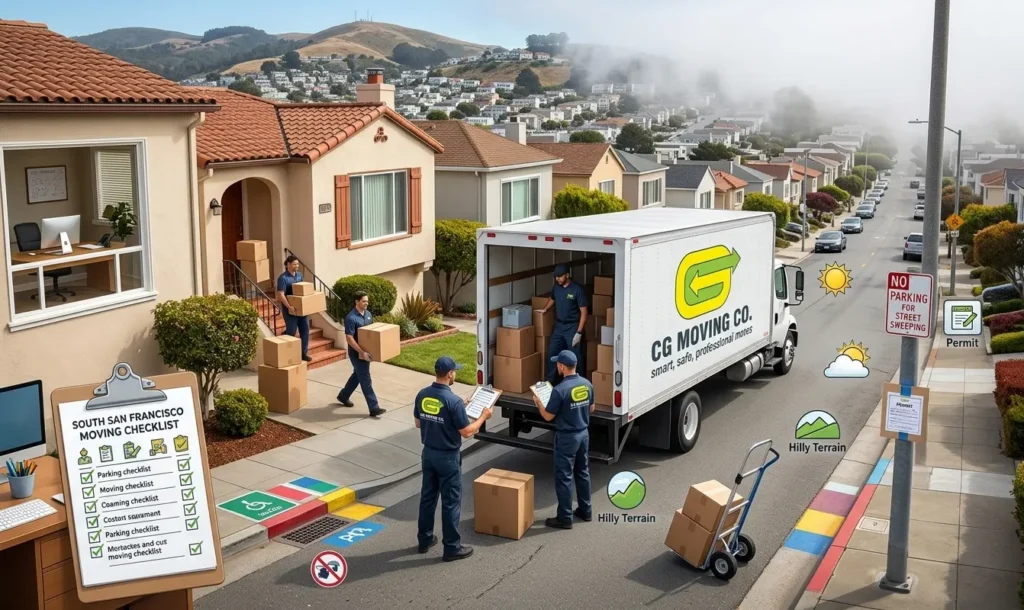
Most moving checklists assume a driveway and an elevator that’s always free. South San Francisco has neither, as a given. Many blocks near downtown and the biotech corridor run on metered or permit street parking, loading docks have scheduled windows, and older apartment buildings may have stairs only. As a City and County of San Francisco approved vendor (Vendor No. 96965), we plan around these specifics every week, and they’re exactly what a one-size-fits-all checklist leaves out. A checklist written for a suburban cul-de-sac somewhere else in the country simply doesn’t account for any of it.
What should you confirm about parking and access first?
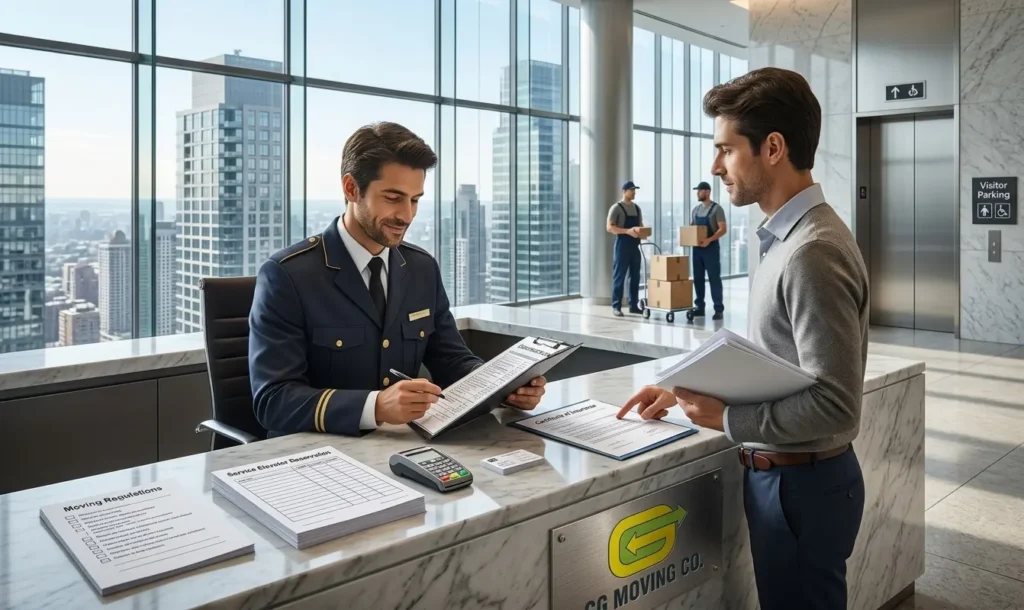
Confirm truck parking, loading dock hours, and elevator access early.
Call your building manager or landlord at least two weeks out and ask:
- Where a moving truck can legally park on your block
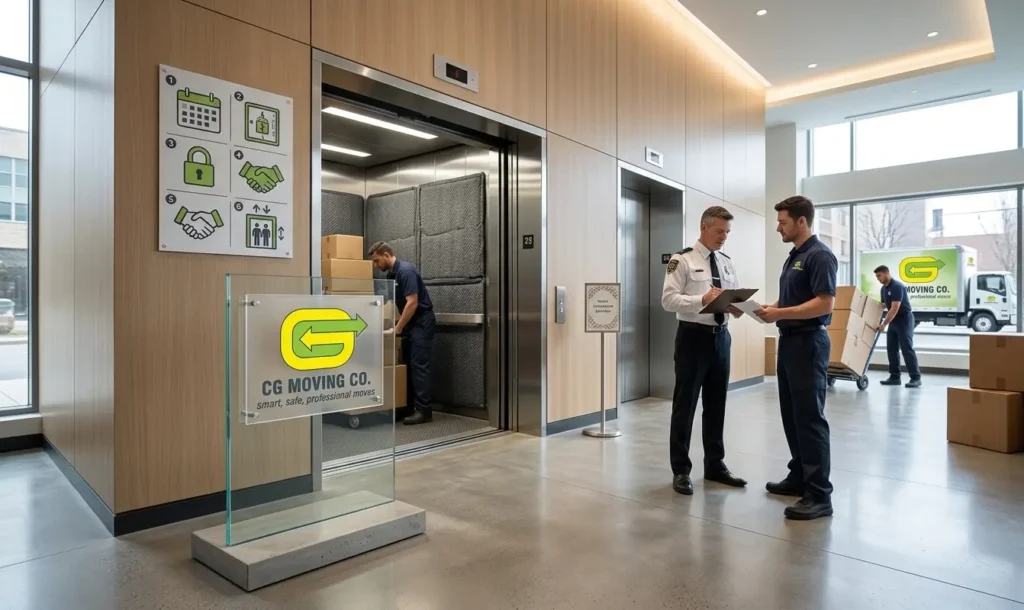
- Whether the building has a loading dock or freight elevator, and what hours it’s open
- Whether you need a reservation for either one
Office and lab buildings in the biotech corridor often require advance notice for dock access. Skipping this step is the most common reason a move runs longer, and costs more, than planned, since a crew stuck waiting for an elevator or circling for parking is a crew burning billable hours.
How does fog change moving day planning?
Morning fog slows traffic, so build in extra drive time.
South San Francisco sits close enough to the coast that morning fog is routine most of the year, and it thickens traffic on 101 and side streets alike. We build extra drive time into morning slots for this reason, and we suggest starting load-out a little later in the morning rather than at first light, once visibility and traffic have settled. It’s a small adjustment, but it keeps the schedule realistic instead of optimistic.
What should go on your week-of moving list?
Confirm the crew time, clear hallways, and set aside essentials.
In the final week, confirm your arrival window with the crew, clear hallways and stairwells of anything loose, and set aside a box of essentials you’ll want on hand the first night. Label boxes by room rather than by category. It sounds small, but it’s the difference between a crew moving steadily and one stopping every few minutes to ask where something goes, which adds up to real time over the course of a day.
As South San Francisco movers who have worked these streets, hills, and fog patterns for two decades, we built this checklist from what actually happens on moving day here, not from a generic template. We also cover the dollar side of a move in our piece on what affects the cost of moving within South San Francisco. Visit our contact page and tell us your building and neighborhood, and we’ll flag anything worth planning around before moving day.
Frequently Asked Questions
Does South San Francisco require its own moving truck parking permit, separate from San Francisco's?
South San Francisco has its own municipal rules for commercial vehicle and truck parking that are separate from San Francisco’s permit system, so a permit obtained for a San Francisco move doesn’t automatically cover a South San Francisco address. We check with the specific building or block ahead of time rather than assuming city rules carry over. If your move touches both cities, we handle each city’s requirement separately.
Is there a best day of the week to move in South San Francisco to avoid traffic and parking competition?
Midweek days, especially Tuesday through Thursday, tend to have less competition for street parking and loading dock slots than weekends, when more households are moving at once. Fog-related morning traffic affects any day similarly, so we build in extra drive time regardless of which day you choose. If your schedule is flexible, a midweek date usually gives us more room to work with on access.
What should I know about moving into a biotech corridor building that a general checklist wouldn't cover?
Biotech and office buildings in South San Francisco’s corridor usually require advance notice to reserve loading dock time, sometimes 48 hours or more depending on the building’s management. Freight elevator access is often shared with other tenants and scheduled in blocks, so a reservation that starts ten minutes late can push the whole window back. We confirm these building-specific rules directly with facilities management before move day rather than relying on general assumptions.
How far ahead should we lock in a date given how busy South San Francisco gets?
We suggest booking at least two to three weeks ahead for a South San Francisco move, since crew availability tightens around weekends and month-end lease turnovers. Moves into biotech or office buildings with their own dock scheduling benefit from even more lead time, since coordinating with building management can take a few extra days on its own. Shorter notice is often workable, it just narrows your choice of dates and crew sizes.
Tell us your building and moving date through our contact page, and we’ll flag anything specific to South San Francisco before you lock it in.